
Do I Have To File ISF For Knee Massager
?Do you need to file an ISF when importing a knee massager into the United States by ocean freight?

Do I Have To File ISF For Knee Massager — Quick Answer
You generally must file an Importer Security Filing (ISF, commonly called the “10+2”) for any containerized ocean shipment arriving in the United States, and a knee massager shipped in a container by ocean is no exception. If your knee massager arrives by air, truck, or rail from Canada or Mexico, the ISF requirement does not apply; ISF is specific to ocean cargo destined to the U.S. prior to loading at a foreign port. This section gives you the direct answer so you can act quickly.
What ISF (Importer Security Filing) Is and Why It Matters
ISF is a U.S. Customs and Border Protection (CBP) requirement for ocean imports to provide key cargo data before the vessel departs the foreign port. This filing helps CBP assess security risk, enforce trade laws, and facilitate lawful, timely release of cargo. You must supply ten importer-sourced data elements at minimum, and the ocean carrier provides two additional elements, which together form the “10+2”.
The regulatory purpose and legal basis
ISF was introduced to strengthen maritime supply chain security and give CBP time to analyze manifests and risk-profile cargo before arrival. The legal authority comes from U.S. customs regulations requiring a timely electronic filing of specified data. Non-compliance can lead to fines, cargo holds, or denial of entry.
When You Must File ISF for a Knee Massager
If your knee massager is transported to the U.S. in a container on an ocean vessel, you must file an ISF at least 24 hours before that vessel departs the foreign port. This requirement applies whether the shipment is Full Container Load (FCL) or Less-than-Container Load (LCL). Keep reading for particulars and exceptions.
Shipment modes where ISF is required
ISF is required for ocean containerized shipments inbound to the U.S. from foreign ports. If you import a knee massager via ocean freight, you must file an ISF. This is true even when the cargo value is low or shipped for samples, unless a specific exemption applies.
Shipment modes where ISF is not required
If the knee massager enters the U.S. via air freight, courier, truck from Canada or Mexico, or rail without an ocean leg, ISF is not required. For transshipments that never leave the foreign port-of-departure or shipments that are manifested differently, special handling rules apply — see edge cases below.
Who Is Responsible for Filing ISF
You, as the importer of record, are ultimately responsible for ensuring the ISF is filed. However, you may designate a customs broker, freight forwarder, or ISF filing provider to submit the filing on your behalf. Whether you file directly or use an agent, responsibility for accuracy and timeliness remains with you, the importer of record.
Common filing arrangements
Importers commonly instruct their customs broker or freight forwarder to file ISF. Many importers purchase ISF services as part of their shipping package, or they rely on carriers’ partner providers. If you prefer to file yourself, you must have the capability to send the required electronic data to CBP in the required format.
The Ten ISF Data Elements You Must Provide
You must supply ten data elements required by CBP. Below are the ten importer-provided elements and what each means in practice for a knee massager shipment. Gather these items early in your supply chain process.
- Seller name and address. You must identify the party from whom you purchased the knee massager. This is often your manufacturer or supplier.
- Buyer name and address. This is the party who bought the goods from the seller; for many transactions this will be you or your company.
- Importer of Record (IOR) number. Provide your IRS EIN or Social Security Number (if a small importer); this identifies the legal importer responsible for duties.
- Consignee number. The entity to whom the goods are consigned, often the same as the importer or a customs broker.
- Manufacturer name and address (or supplier). Identify the actual manufacturer of the knee massager; if a third-party producer, provide that party’s details.
- Ship-to name and address. The final location where the goods will be delivered in the U.S.
- Country of origin. State the country where the knee massager was manufactured or substantially transformed.
- Harmonized Tariff Schedule (HTSUS) commodity description/number. Assign the correct classification for the knee massager; consult a broker if you are unsure.
- Container stuffing location. The physical location where the container was stuffed or loaded in the foreign country.
- Consolidator (stuffer) name and address. If a consolidator or NVOCC loaded the container, identify that party.
The carrier-provided “plus two” elements
In addition to your ten elements, the carrier supplies two elements: the vessel stow plan and container status message. You do not supply those, but be aware they are part of the package CBP uses to evaluate cargo.
How to Prepare the ISF for a Knee Massager: Step-by-Step
Filing ISF is an administrative process that benefits from preparation. Below is a practical start-to-finish guide showing what you need and when.
- Confirm shipment mode is ocean containerized. If not, ISF is not required.
- Obtain all supplier and manufacturer details. Confirm legal names, addresses, and manufacturer roles.
- Classify the product. Work with a customs broker to determine the correct HTSUS number for your knee massager.
- Determine your IOR number and consignee identity. If your broker will act as consignee, document responsibilities.
- Obtain container stuffing location. Confirm whether the supplier, consolidator, or forwarder stuffed the container.
- Gather shipping schedule and booking details. Know the vessel name, voyage, and estimated departure.
- File ISF at least 24 hours prior to departure. Ideally, file earlier to avoid last-minute issues.
- Ensure carrier updates container status messages. Monitor the carrier’s CSMs for accuracy.
- Prepare supporting documents. Maintain invoices, packing lists, manufacturer declarations, and testing certificates.
- Monitor post-arrival actions. Coordinate with your broker for customs entry and delivery.
Timing and real-world tips
File no later than 24 hours before the vessel departs the foreign port. Many importers file as soon as they have booking confirmation and supplier data. Filing earlier reduces risk of last-minute supplier delays causing penalties.
Practical Considerations Specific to Knee Massagers
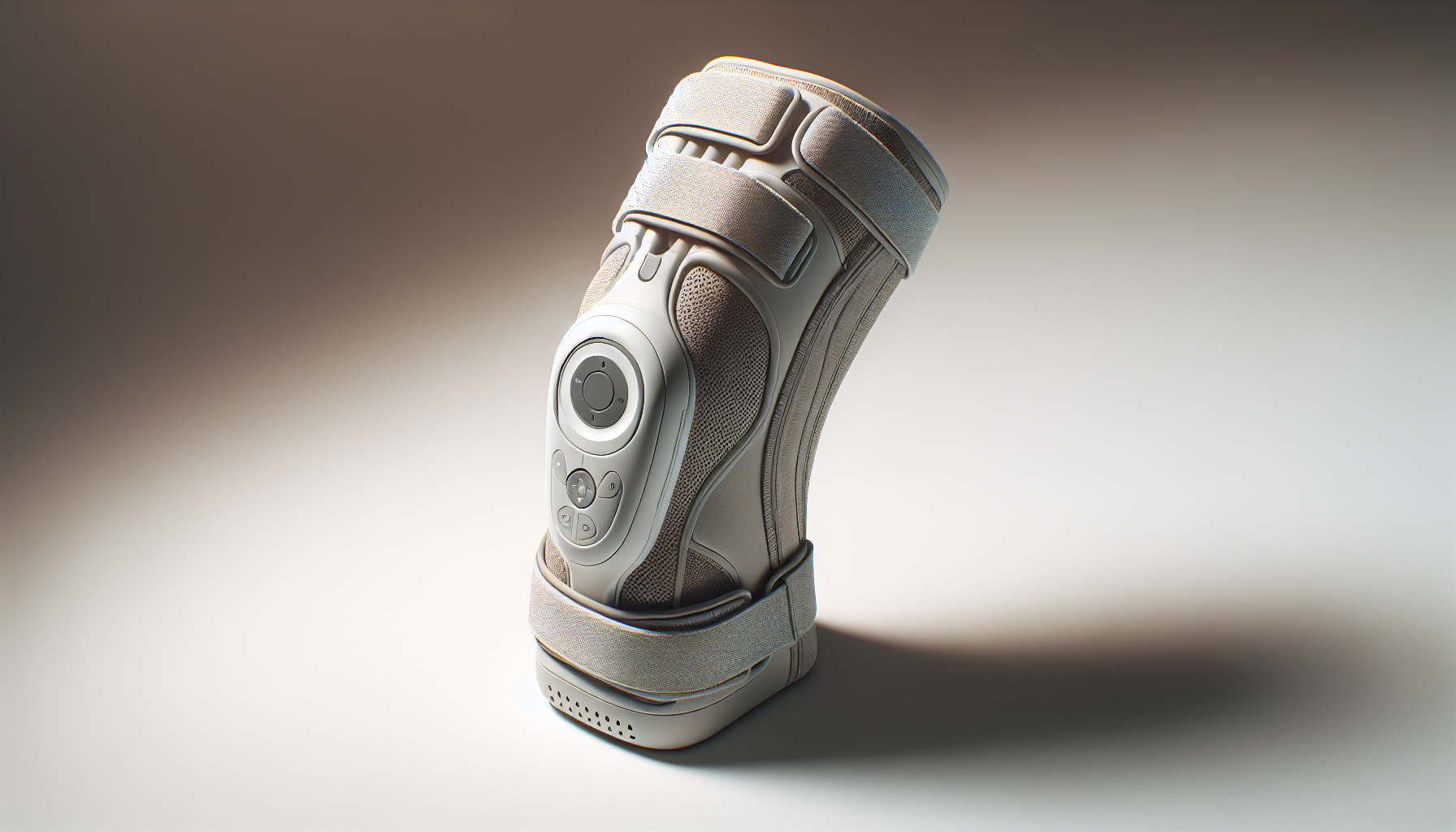
Knee massagers often combine electronics, batteries, and therapeutic claims — each can affect import compliance. Address these factors earlier to avoid holds, additional agency inspections, or refusals.
Product classification and tariff considerations
Knee massagers may classify under tariff lines for massage apparatus or electronic therapy devices. Make sure you assign the HTSUS number that reflects the product’s composition and intended use. Incorrect classification can result in incorrect duties, penalties, or seizure.
Safety and regulatory agencies: FDA, FCC, and others
If you market the knee massager with medical claims (diagnosis, mitigation, treatment), it may be a medical device subject to FDA regulation. Even if not a medical device, the product may include radio transmitters (e.g., Bluetooth) that require FCC compliance and labeling. Confirm agency requirements early and keep documentation for customs.
Battery and hazardous materials rules
If the knee massager contains lithium batteries, you must meet dangerous goods regulations for packing and documentation. While air transport imposes stricter rules, ocean shipments still require correct declarations and packaging to comply with maritime safety regulations.
Edge Cases and Complex Scenarios
Understanding the nuanced exceptions and less common scenarios will protect you from surprises. Below are common edge cases and how to handle them.
Drop-shipment from foreign supplier direct to customer in the U.S.
If the supplier ships direct to a consumer or to your U.S. distribution center, you remain the importer of record if the goods are sold to you in the U.S. Clarify contract terms. If the customer or a third party is the importer of record, their information must appear on the ISF.
Transshipment through a foreign hub
If the knee massager transships through a third country but the vessel ultimately departs a foreign port bound for the U.S., you must file ISF for the leg that leaves a foreign port for the U.S. Confirm with your forwarder which port triggers the 24-hour rule.
No container stuffing before departure
If the container is not stuffed until after the vessel departs the foreign port (rare), ISF filing rules may differ. Coordinate with the carrier and broker to document loading operations and comply with CBP guidance.
Used or repaired knee massagers
Used goods may have different HTS classification and documentation needs. If the shipment is a return for repair or warranty, identify the correct customs procedure and ensure ISF reflects the nature of the goods.
Penalties, Delays, and Risk Management
Failing to file ISF or filing it late can have consequences. Understand the range of possible penalties and how to mitigate them.
Common penalties and operational consequences
- Monetary penalties for failure to file or for inaccuracies can be assessed by CBP, often up to several thousand dollars per violation.
- The carrier may be fined for failure to transmit required vessel stow plan data.
- Cargo may be held at the port pending resolution, causing demurrage and storage charges.
- Reputational risk with carriers and brokers that could complicate future shipments.
Mitigation steps if you miss the filing deadline
If you miss the 24-hour deadline, file immediately and explain the reason to your customs broker. Prepare supporting documentation showing you acted promptly. In some cases, CBP may impose a penalty, but prompt corrective action can lower the likelihood of severe enforcement.
How to Ensure Compliance: Best Practices
Apply sound procedures and documentation practices to minimize risk. The following checklist outlines practical compliance controls you can implement.
- Automate ISF filing via an integrated broker or ISF service provider to reduce human error.
- Create a master data sheet for suppliers with validated names, addresses, and manufacturer roles.
- Require your supplier to confirm container stuffing location and provide photos or stuffing lists.
- Pre-classify products with a customs broker and keep classification rulings documented.
- Track shipping bookings and vessel departure times; set calendar reminders for ISF deadlines.
- Maintain records for at least five years in case of CBP audit.
- Ensure product labeling, safety testing, and agency registrations (FDA, FCC) are completed before arrival.
Working with service providers
If you rely on a customs broker or forwarder, specify responsibilities in written contracts so you and your provider understand who will file the ISF, who bears penalties, and how corrections are handled. Using a reliable partner prevents oversight and helps ensure the “10+2” data are accurate.
Continuous Filing vs. Single-Entry Bond Considerations
When you import frequently, a continuous customs bond simplifies entries; when importing occasionally, single-entry bonds may be sufficient. Your ISF filing process should align with your bond strategy.
When to use a continuous bond
If you regularly import knee massagers or other products, a continuous entry bond covers multiple entries and speeds processing. Pair this with a consistent ISF filing workflow to maintain compliance.
When single-entry bonds make sense
If you import very infrequently or test-market a consumer product, a single-entry bond could reduce upfront costs. However, ensure the ISF and customs entry are managed properly for each shipment.
Post-Arrival Steps: From Customs Entry to Delivery
After the vessel arrives, the import clearance and delivery steps begin. Effective coordination reduces demurrage and keeps your supply chain moving.
- Customs entry filing. Your broker files the entry summary (Form 7501) with duties and taxes determined.
- Agency holds and inspections. If CBP or other agencies want to inspect or detain the product, coordinate responses and documentation.
- Duty payment and release. Pay duties or draw on a bond, then obtain cargo release from the carrier.
- Local delivery and last-mile logistics. Arrange trucking and warehouse unloading, and plan for returns or quality checks.
Handling inspections and sampling
If CBP or another agency inspects the knee massager, provide the requested documents quickly. Keep certificates, test reports, and labeling proofs readily available to minimize delays.
Documentation and Recordkeeping
Maintaining accurate files is essential for both ISF compliance and post-entry audits. Keep all ISF submissions, supporting documents, and communications organized.
Recommended retention period and format
Retain ISF records, commercial invoices, packing lists, bills of lading, and agency correspondence for at least five years. Store them electronically with backups for easy retrieval during audits or contests.
How to Classify a Knee Massager with HTSUS — Practical Guidance
Proper HTS classification determines duty rates and whether additional agency requirements apply. You should consult a customs broker, but these practical steps help you prepare.
- Identify the primary function of the product (massage apparatus vs. medical device).
- List the materials and electronic components included.
- Compile product literature that describes intended use and claims.
- Request a binding ruling from CBP if classification is uncertain and the stakes justify the effort.
Example considerations that change classification
If your knee massager emits electrical pulses for therapeutic muscle stimulation, it could be considered a medical device with different entry requirements than a general massage device. Make classification decisions after reviewing product specifications and marketing materials.
Frequently Asked Questions (FAQ)
This section answers common concerns you will likely encounter when importing knee massagers by ocean freight.
Do I have to file ISF if the knee massager is low-value or a sample?
Yes — ISF applies to containerized ocean shipments regardless of value, unless a specific exemption applies. Always confirm with your customs broker.
Can I file ISF after the vessel has departed if I missed the deadline?
You should file immediately and document the cause. CBP may assess penalties, but prompt correction can reduce exposure.
Who is considered the manufacturer if multiple parties are involved?
The manufacturer is the party that produced or substantially transformed the knee massager. If a contract manufacturer made the item on your brand’s specs, list that party as the manufacturer.
What if the supplier refuses to provide stuffing location or manufacturer details?
You should require these details contractually. If the supplier refuses, delay shipment until you have the required information or consider using a different supplier.
Tools and Services That Simplify ISF Filing
Several digital tools and service providers can automate the ISF process and reduce risk. You should evaluate providers for 24/7 support, accuracy guarantees, and integration with carriers.
- Customs brokers with ISF services: Many brokers offer ISF filing as part of their service package.
- ISF filing portals: Software that connects supplier data, bookings, and broker systems can automate submission.
- Freight forwarders and NVOCCs: They often coordinate ISF with carriers and brokers.
Note: If you require continuous availability and rapid responses, consider a provider that offers dedicated support and automated alerts.
Summary: Action Steps for Your Next Knee Massager Shipment
To avoid penalties and delays when importing knee massagers by ocean, follow these practical steps:
- Confirm the shipment modality is ocean containerized.
- Collect the 10 ISF data elements early; verify manufacturer and supplier details.
- Classify the product with a customs broker and evaluate agency requirements (FDA, FCC).
- File ISF at least 24 hours prior to vessel departure; file earlier if possible.
- Maintain records and coordinate with your broker for customs entry after arrival.
Final compliance reminder
You are ultimately responsible for accurate and timely ISF submission as the importer of record, even if you delegate filing to an agent. Set up robust processes and partnerships to ensure your knee massager shipments clear customs without costly delays.
Additional Resource Tip
If you prefer to outsource ISF filing and coordinate clearance, work with a partner who provides filing services and end-to-end coordination. For example, consider providers that explicitly advertise combined filing and clearance support under a single agreement; one such example is Importer Security Filing & Entry Clearance — this type of service can reduce administrative burden and centralize accountability.
?Will you need the next-level checklist or a template ISF data sheet to begin your next shipment? If so, ask and I will prepare a downloadable checklist tailored to knee massager imports that includes supplier questionnaires, sample wording for supplier compliance clauses, and a timeline for filing.