Importing Chemicals From Canada Into The USA EPA Regulations
If you’re thinking about importing chemicals from Canada into the USA, it’s important to understand the regulations set by the Environmental Protection Agency (EPA). The EPA has specific requirements for the importation of chemicals to ensure they are safely handled, stored, and disposed of. By familiarizing yourself with these regulations, you can avoid potential fines and penalties while also ensuring the safety of both people and the environment. Have you ever considered importing chemicals from Canada into the USA but are unsure about the EPA regulations you need to follow? In this article, we will break down everything you need to know about importing chemicals from Canada into the USA and the EPA regulations that govern this process. Let’s dive in!

Understanding EPA Regulations for Imported Chemicals
When importing chemicals from Canada into the USA, it is crucial to understand the regulations set forth by the Environmental Protection Agency (EPA). The EPA is responsible for protecting human health and the environment by ensuring that chemicals imported into the country meet certain safety standards. Before importing any chemicals, make sure to familiarize yourself with the EPA regulations to avoid any legal issues down the line.
Registration and Approval Process
The first step in importing chemicals from Canada into the USA is to register with the EPA and obtain approval for your imported chemicals. The EPA requires all importers of chemicals to submit a pre-manufacture notice (PMN) at least 90 days before importing the chemicals. This notice must include information about the chemical’s identity, intended use, production volume, and potential risks to human health and the environment.
Once the PMN is submitted, the EPA will review the information provided and determine whether the imported chemical poses any unreasonable risks. If the EPA approves the import, you will receive a Notice of Commencement (NOC) allowing you to proceed with importing the chemicals. It is essential to follow the registration and approval process carefully to ensure compliance with EPA regulations.
Chemical Testing and Data Requirements
In addition to submitting a PMN, importers of chemicals from Canada into the USA may be required to conduct chemical testing and provide specific data to the EPA. The EPA uses this information to assess the risks associated with the imported chemicals and determine whether additional safety measures are necessary.
Before importing any chemicals, make sure to check the EPA’s list of chemical testing requirements and data submission guidelines. Failure to provide the required information may result in delays or denial of approval for importing the chemicals. It is essential to be proactive in gathering and submitting the necessary data to expedite the approval process.
Import Notification and Reporting Requirements
Once you have obtained approval from the EPA to import chemicals from Canada into the USA, you must comply with import notification and reporting requirements. These regulations are in place to ensure that imported chemicals are safely transported, stored, and used in the country.
Import Notifications
Before importing any chemicals, you must notify the EPA of your intent to import the chemicals and provide details about the shipment. The import notification must include information such as the quantity of chemicals, intended use, storage conditions, and transportation methods. This information allows the EPA to track imported chemicals and respond promptly to any emergencies or incidents that may arise.
Reporting Requirements
In addition to import notifications, importers of chemicals from Canada into the USA must also comply with reporting requirements set forth by the EPA. These requirements include submitting annual reports on the quantities of imported chemicals, any changes in the intended use of the chemicals, and any incidents or accidents involving the chemicals.
It is essential to keep detailed records of imported chemicals and comply with reporting requirements to maintain compliance with EPA regulations. Failure to report accurately and in a timely manner may result in fines or penalties imposed by the EPA.

Labeling and Packaging Regulations
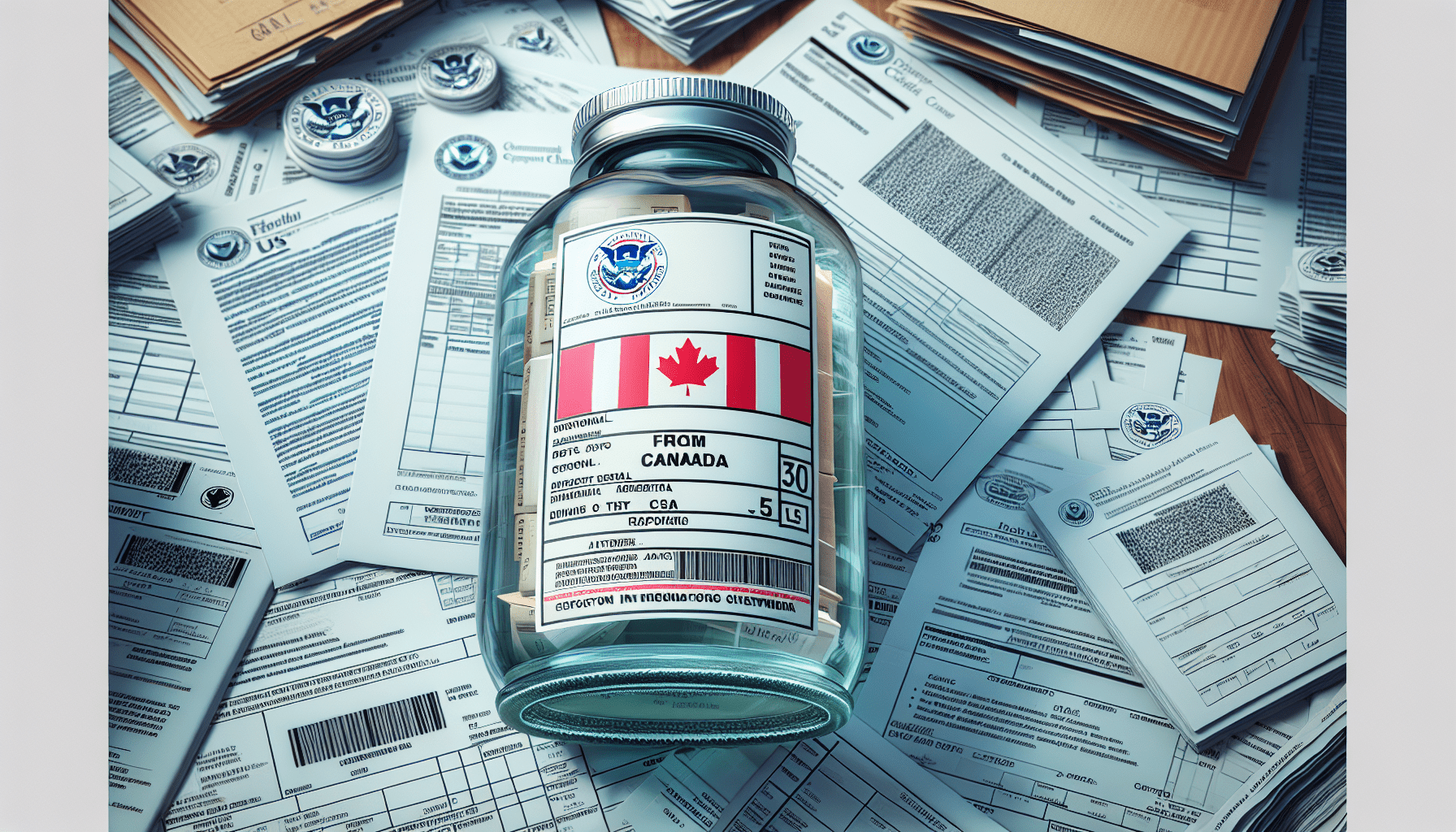
Proper labeling and packaging of imported chemicals are essential to ensure the safety of workers and the environment. The EPA has specific regulations governing the labeling and packaging of chemicals imported from Canada into the USA to prevent accidental exposures and spills.
Labeling Requirements
All imported chemicals must be labeled according to EPA regulations, including information about the chemical’s identity, potential hazards, and safe handling instructions. The labels must be clear, durable, and legible to ensure that workers can easily identify and handle the chemicals safely.
Packaging Requirements
In addition to proper labeling, imported chemicals must be packaged in containers that meet EPA standards for safety and integrity. The packaging must be designed to prevent leaks, spills, and contamination during transportation and storage. Make sure to comply with the EPA’s packaging requirements to protect the health and safety of workers and the environment.
Storage and Handling Guidelines
Proper storage and handling of imported chemicals are essential to prevent accidents, spills, and exposure to hazardous substances. The EPA has guidelines in place to ensure that imported chemicals are stored and handled safely in compliance with federal regulations.
Storage Requirements
When storing imported chemicals from Canada into the USA, make sure to comply with the EPA’s storage requirements to prevent accidents and minimize risks to human health and the environment. Store chemicals in a well-ventilated area away from heat, flames, and incompatible substances to reduce the risk of fires, explosions, and chemical reactions.
Handling Guidelines
Before handling imported chemicals, make sure to familiarize yourself with the EPA’s handling guidelines to protect yourself and others from exposure to hazardous substances. Wear appropriate personal protective equipment, such as gloves, goggles, and respiratory protection, when handling chemicals to minimize the risk of skin contact, inhalation, and eye irritation.
By following the EPA’s storage and handling guidelines, you can prevent accidents and protect the health and safety of workers and the environment.

Emergency Response and Spill Cleanup Procedures
Despite taking precautions to prevent accidents, spills, and emergencies can still occur when importing chemicals from Canada into the USA. It is essential to have emergency response and spill cleanup procedures in place to respond quickly and effectively to any incidents that may arise.
Emergency Response Plan
Develop an emergency response plan that outlines the steps to take in the event of an accident, spill, or exposure to hazardous chemicals. This plan should include procedures for evacuating the area, notifying emergency responders, and containing the spill to prevent further contamination. Make sure all workers are trained on the emergency response plan and know how to respond in case of an emergency.
Spill Cleanup Procedures
In the event of a chemical spill, follow the EPA’s spill cleanup procedures to minimize the impact on human health and the environment. Use appropriate spill containment materials, such as sorbent pads, booms, and granules, to contain the spill and prevent it from spreading. Dispose of contaminated materials according to EPA regulations to prevent further environmental damage.
By having an emergency response plan and spill cleanup procedures in place, you can respond quickly and effectively to any incidents that may occur when importing chemicals from Canada into the USA.
Conclusion
Importing chemicals from Canada into the USA can be a complex process, especially when it comes to complying with EPA regulations. By understanding and following the regulations outlined in this article, you can ensure that your imported chemicals meet safety standards and protect human health and the environment. Before importing any chemicals, make sure to familiarize yourself with the EPA regulations, registration and approval process, import notification and reporting requirements, labeling and packaging regulations, storage and handling guidelines, and emergency response and spill cleanup procedures. By following these guidelines, you can import chemicals from Canada into the USA safely and responsibly.
